China’s Knock-Off Rolls-Royce Is Outselling The Real Deal 2 To 1
The luxury car market has long been dominated by legendary names such as Rolls-Royce, Bentley, and Mercedes-Maybach. These brands built their reputations over decades by offering unmatched craftsmanship, prestige, and exclusivity. However, China’s rapidly evolving automotive industry is beginning to challenge even the most established luxury manufacturers. One of the most surprising developments is the growing success of a Chinese luxury sedan whose styling has drawn comparisons to Rolls-Royce.
While critics often describe it as a “knock-off” because of its familiar design cues, the vehicle has carved out its own place in the Chinese market. More importantly, it has reportedly been selling in significantly higher numbers than Rolls-Royce in its home market, highlighting how consumer preferences are changing and how domestic brands are becoming increasingly competitive.
The story is about much more than appearance. It reflects the rise of China’s automotive industry and the growing appeal of locally developed luxury vehicles.
A Familiar Design That Turns Heads
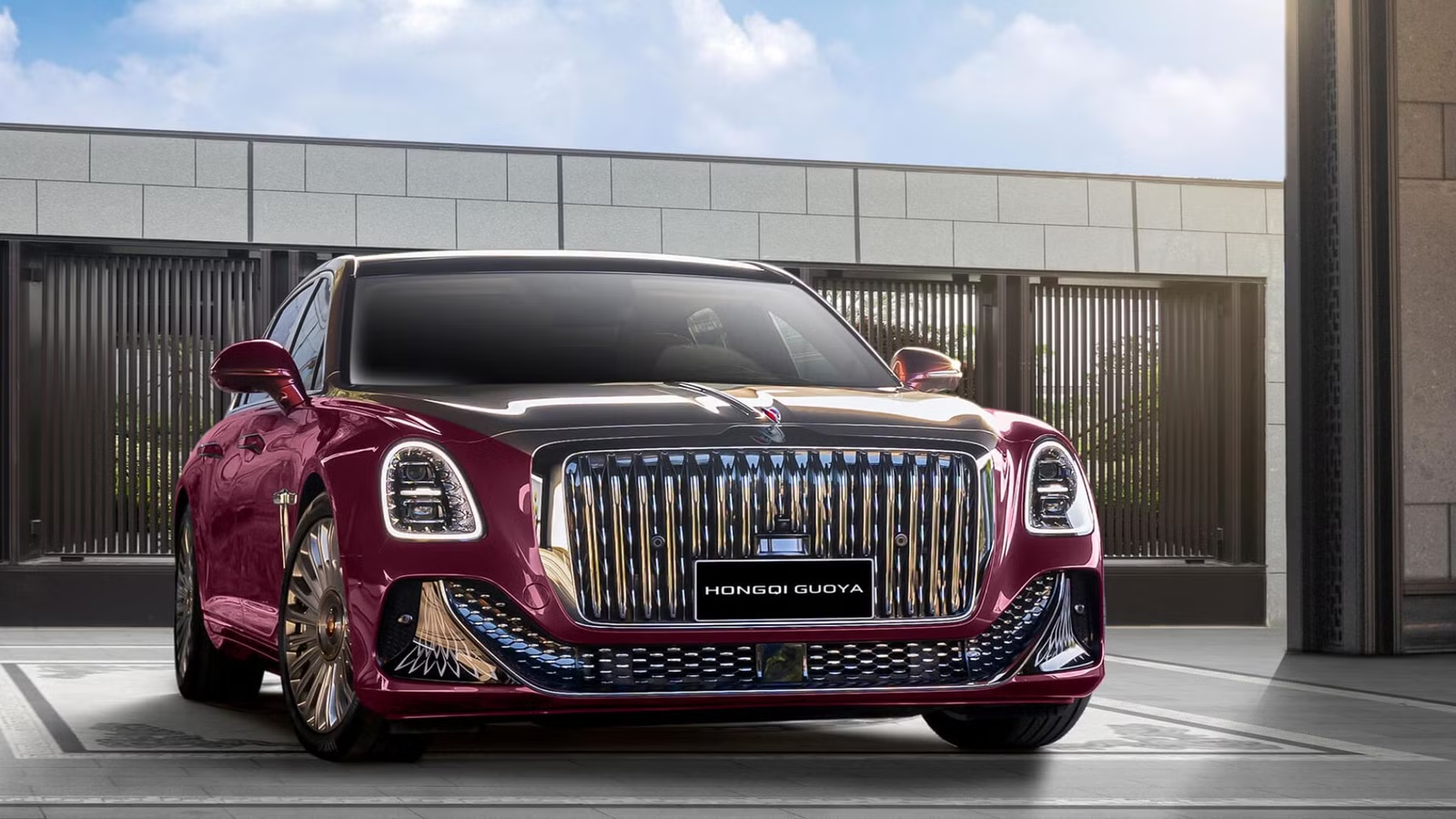
One of the first things people notice is the resemblance to Rolls-Royce. The large upright grille, squared-off proportions, elegant body lines, and stately presence remind many observers of the iconic British luxury brand.
Although the similarities have sparked debate, the Chinese manufacturer has incorporated its own design elements and branding to create a distinct identity. The result is a vehicle that delivers an imposing luxury appearance while appealing to buyers who appreciate traditional executive styling.
Its commanding road presence has become one of its strongest selling points.
Why Buyers Are Choosing Domestic Luxury
Chinese consumers are increasingly embracing locally produced premium vehicles.
Several factors contribute to this trend:
- Competitive pricing
- Advanced technology
- Spacious interiors
- Strong performance
- Modern infotainment systems
- Government support for domestic industries
- Improved manufacturing quality
These advantages allow local brands to compete directly with long-established international manufacturers.
Luxury Without the Ultra-Luxury Price
A Rolls-Royce represents the pinnacle of automotive luxury, but its exclusivity comes with an exceptionally high purchase price.
Chinese luxury sedans inspired by classic executive designs offer many premium features at a fraction of that cost. Buyers can enjoy high-quality materials, advanced technology, and impressive comfort without entering the ultra-luxury price category.
For many customers, this creates a compelling balance between prestige and value.
Interior Comfort Rivals Premium Brands
Modern Chinese luxury vehicles have made remarkable progress in cabin quality.
Many feature:
- Premium leather upholstery
- Large digital displays
- Ambient lighting
- Heated and ventilated seats
- Rear executive seating
- High-end sound systems
- Panoramic glass roofs
- Advanced climate control systems
These amenities provide a first-class experience for both drivers and passengers, reflecting how far Chinese automakers have advanced in recent years.
Technology Is a Major Selling Point
One area where Chinese manufacturers often excel is technology integration.
Luxury buyers increasingly expect vehicles to include sophisticated digital features, including:
- Voice-controlled assistants
- Large touchscreen interfaces
- Wireless smartphone connectivity
- Over-the-air software updates
- Advanced navigation systems
- Artificial intelligence functions
- Remote vehicle management through mobile apps
By emphasizing cutting-edge technology, domestic brands appeal to younger buyers who prioritize connectivity as much as traditional luxury.
National Pride Influences Purchasing Decisions
Consumer preferences are influenced by more than features and pricing.
In recent years, many Chinese buyers have shown greater interest in supporting domestic brands that demonstrate world-class engineering and design. As local manufacturers improve quality and expand their product offerings, confidence in homegrown luxury vehicles has grown significantly.
This shift has helped strengthen sales for Chinese premium brands in their domestic market.
Rolls-Royce Still Represents Ultimate Exclusivity
Although domestic competitors may sell more vehicles in China, Rolls-Royce continues to occupy a unique position within the global luxury market.
The British automaker is known for:
- Handcrafted interiors
- Bespoke customization
- Exceptional ride comfort
- Timeless design
- Rich heritage
- Limited production
- Prestigious ownership experience
Its appeal lies not in high sales volume but in exclusivity and craftsmanship.
Different Business Models
Comparing sales figures alone does not tell the complete story.
Chinese luxury manufacturers often aim for broader market appeal by producing vehicles at higher volumes and more accessible prices.
Rolls-Royce, on the other hand, intentionally limits production to preserve exclusivity. Selling fewer vehicles is part of its business strategy rather than a sign of weakness.
As a result, higher sales volumes do not necessarily indicate direct competitive superiority.
China’s Luxury Market Continues to Grow
China remains one of the world’s largest markets for premium automobiles.
Demand continues to increase for:
- Luxury SUVs
- Executive sedans
- Electric luxury vehicles
- High-performance models
- Advanced driver assistance technologies
Domestic manufacturers are investing heavily to meet these demands while expanding into international markets.
This growing competition encourages innovation throughout the industry.
Global Brands Face New Challenges
The rapid improvement of Chinese automakers presents new challenges for established international brands.
To remain competitive, global manufacturers must continue investing in:
- Advanced software
- Electrification
- Premium customer experiences
- Personalized services
- Innovative interior design
- Connected vehicle technology
Competition has become increasingly intense across every segment of the automotive market.
The Future of Luxury Cars
Luxury is no longer defined solely by heritage or craftsmanship.
Today’s buyers also evaluate:
- Technology
- Sustainability
- Connectivity
- Driving performance
- Digital features
- Comfort
- Brand reputation
- Overall value
Manufacturers that successfully combine these qualities are likely to remain competitive in the years ahead.
Chinese automakers have demonstrated that they can compete in many of these areas while continuing to improve their engineering and manufacturing capabilities.
Final Thoughts
The success of China’s Rolls-Royce-inspired luxury sedan illustrates just how dramatically the country’s automotive industry has evolved. Once known primarily for producing affordable vehicles, Chinese manufacturers now build premium models that attract buyers with sophisticated technology, elegant interiors, competitive pricing, and increasingly refined craftsmanship.
While comparisons to Rolls-Royce are inevitable because of the styling, the two brands ultimately serve different purposes. Rolls-Royce remains an ultra-exclusive symbol of bespoke luxury and heritage, while its Chinese counterpart focuses on delivering premium features and executive comfort to a broader audience.
The fact that a domestic luxury sedan can outsell such an iconic international brand in China reflects changing consumer preferences and the growing strength of local manufacturers. As Chinese automakers continue expanding their capabilities and global ambitions, competition in the luxury segment is likely to become even more intense, benefiting consumers with greater choice, better technology, and continued innovation.