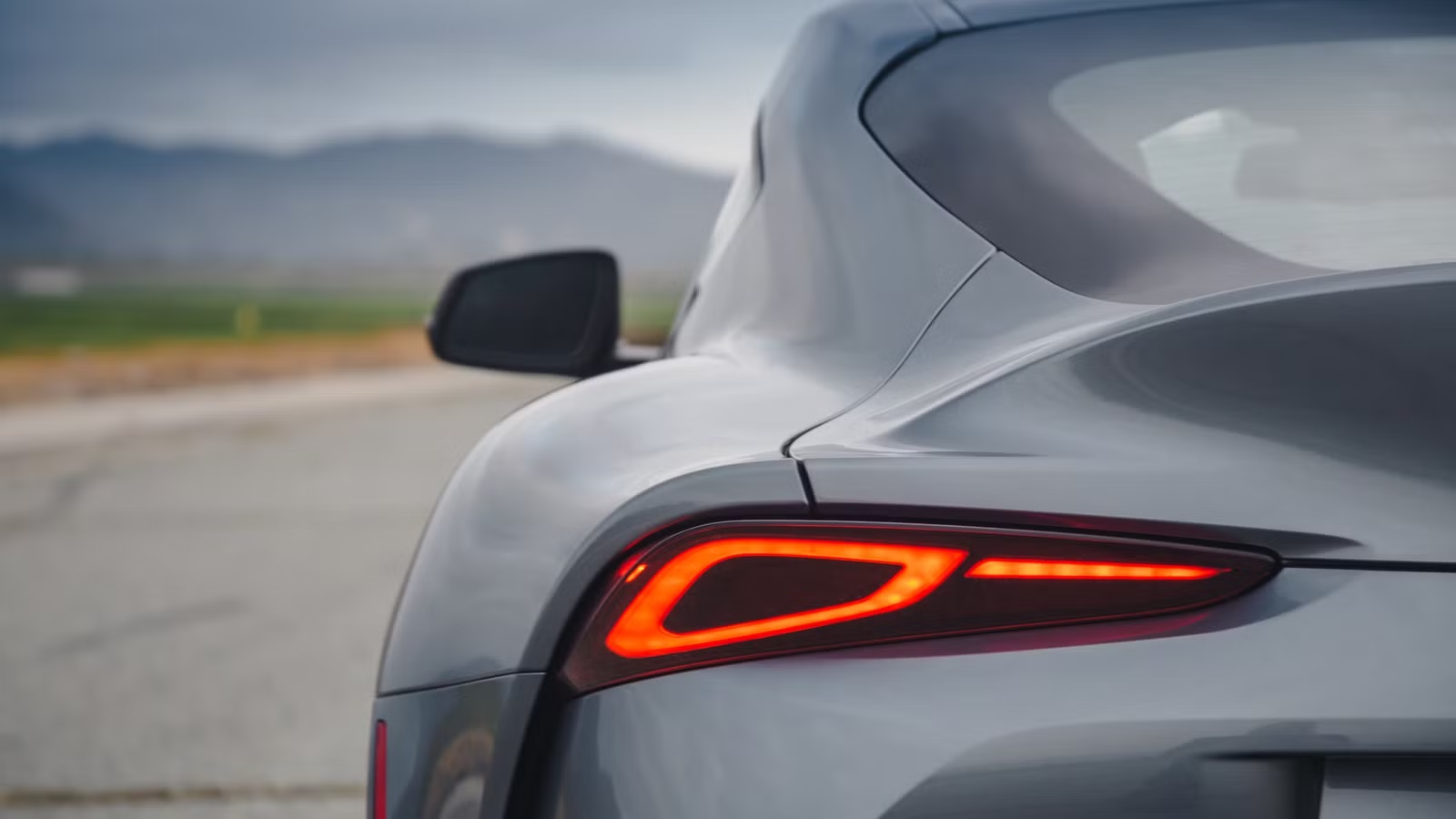
Toyota Supra and BMW Z4 Among 320,000 Bimmers Recalled for Fire Risk
Vehicle recalls are an unavoidable part of the automotive industry, particularly as modern cars become increasingly complex. While most recalls address issues before they become widespread problems, some involve potential safety risks that require immediate attention. One such case involves a large recall affecting more than 320,000 BMW vehicles, including the Toyota Supra, due to a defect that could increase the risk of an engine compartment fire.
Because the current-generation Toyota GR Supra shares its platform and many mechanical components with the BMW Z4, certain Supra models are included in the recall. Owners of affected vehicles are encouraged to check whether their car is involved and schedule the necessary repairs as soon as possible.
Why the Recall Was Issued
According to the recall information, the issue involves a component within the vehicle’s electrical system that may not function as intended under certain conditions. If the defect occurs, it can lead to overheating, increasing the possibility of a fire in the engine compartment.
Although the risk remains relatively low, any issue involving a potential fire hazard is treated as a high-priority safety concern.
Manufacturers issue recalls to correct these problems before they lead to accidents or vehicle damage.
Which Vehicles Are Affected?
The recall primarily impacts a range of BMW models produced during specific model years.
Among the affected vehicles are:
- BMW 3 Series
- BMW 5 Series
- BMW X3
- BMW X4
- BMW X5
- BMW X7
- BMW Z4
- Toyota GR Supra
The exact vehicles included depend on production dates, engine configurations, and manufacturing records.
Why the Toyota Supra Is Included
Some drivers may wonder why a Toyota sports car appears in a BMW recall.
The answer lies in the close engineering partnership between the two manufacturers. The current-generation Toyota GR Supra and BMW Z4 were developed together and share numerous components, including:
- Engine
- Transmission
- Chassis architecture
- Electronic systems
- Suspension components
- Various electrical hardware
Because of these shared parts, a defect affecting one model can also affect the other.
What Could Happen?
If the faulty component experiences a failure, several warning signs may appear before a more serious problem develops.
Possible symptoms include:
- Dashboard warning lights
- Electrical malfunctions
- Burning odor
- Smoke from the engine compartment
- Reduced vehicle performance
Drivers noticing any of these symptoms should stop driving when it is safe to do so and arrange for the vehicle to be inspected.
Fire Risk Is Taken Seriously
Even though reported incidents remain relatively limited, manufacturers typically act quickly whenever a defect has the potential to cause a fire.
Modern vehicles contain numerous electrical systems operating under high temperatures. If an electrical component overheats, surrounding materials may ignite, creating a dangerous situation.
Prompt repairs significantly reduce this risk.
What Owners Should Do
Owners of affected vehicles should determine whether their car is included in the recall.
The recommended steps include:
- Check the vehicle identification number (VIN).
- Watch for an official recall notification.
- Contact an authorized dealership.
- Schedule the repair appointment.
- Have the repair completed at no cost.
Recall repairs are generally performed free of charge by authorized service centers.
How Long Will Repairs Take?
Repair times vary depending on the specific issue and dealership scheduling.
In many cases, replacing or inspecting the affected component requires only a few hours. However, parts availability and appointment demand may influence how quickly repairs can be completed.
Owners are encouraged to schedule service promptly rather than waiting for symptoms to appear.
The Importance of Recall Repairs
Some drivers postpone recall work if their vehicle appears to operate normally.
However, recalls are issued because manufacturers have identified a potential safety concern that may develop unexpectedly.
Completing recall repairs helps:
- Improve vehicle safety.
- Prevent costly damage.
- Reduce the risk of breakdowns.
- Protect passengers.
- Maintain the vehicle’s reliability.
Addressing recalls promptly is one of the simplest ways to ensure long-term ownership satisfaction.
BMW and Toyota’s Ongoing Partnership
The collaboration between BMW and Toyota has produced two highly respected sports cars.
The Toyota GR Supra emphasizes sharp handling and everyday usability, while the BMW Z4 offers an open-top driving experience with similar mechanical underpinnings.
Although shared engineering can occasionally result in shared recalls, it also allows both manufacturers to develop sophisticated performance vehicles more efficiently.
Modern Vehicles Are More Complex Than Ever
Today’s automobiles rely on thousands of individual components working together.
Advanced electronics, driver-assistance systems, turbocharged engines, and connected technologies improve performance and convenience but also increase engineering complexity.
As a result, recalls have become more common across the industry—not necessarily because vehicles are less reliable, but because manufacturers actively identify and correct potential issues before they become widespread.
Staying Informed About Recalls
Vehicle owners can reduce potential risks by regularly checking for outstanding recalls.
Good practices include:
- Monitoring manufacturer notifications.
- Keeping contact information up to date with the dealership.
- Checking recall databases using the vehicle’s VIN.
- Responding quickly to recall notices.
Remaining informed helps ensure that safety-related repairs are completed without unnecessary delays.
Final Thoughts
The recall affecting more than 320,000 BMW vehicles, including certain Toyota GR Supra models, highlights the importance of addressing potential safety issues as soon as they are identified. While the possibility of an engine compartment fire is considered uncommon, any defect involving fire risk deserves immediate attention.
Because the Supra shares much of its engineering with the BMW Z4, it is not unusual for some recalls to apply to both models. Owners of potentially affected vehicles should verify whether their car is included, schedule the free repair, and continue following any guidance provided by the manufacturer.
Recalls are designed to protect drivers, passengers, and other road users. By acting promptly, owners can help ensure their vehicle remains safe, reliable, and ready to perform as intended for years to come.